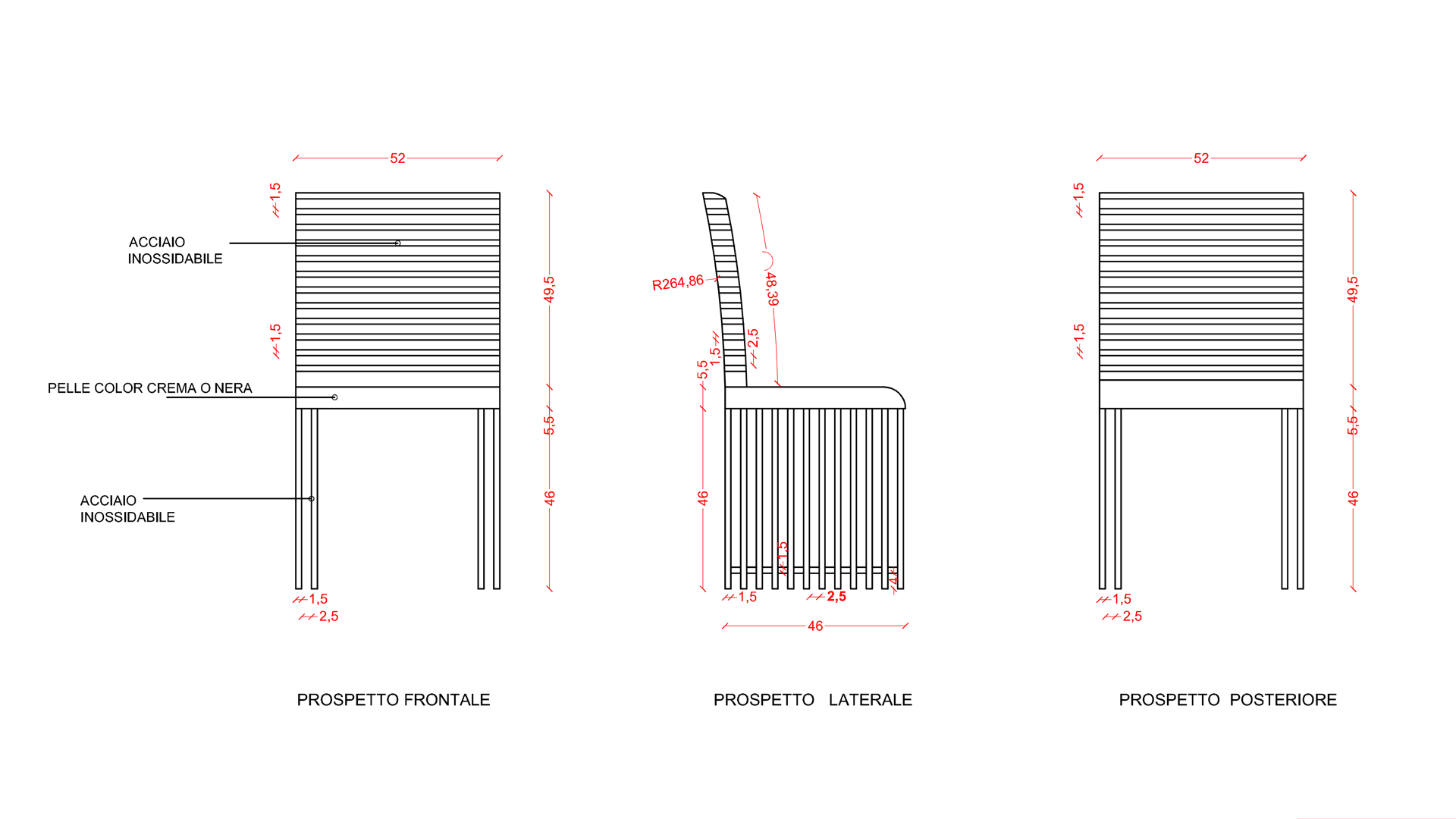
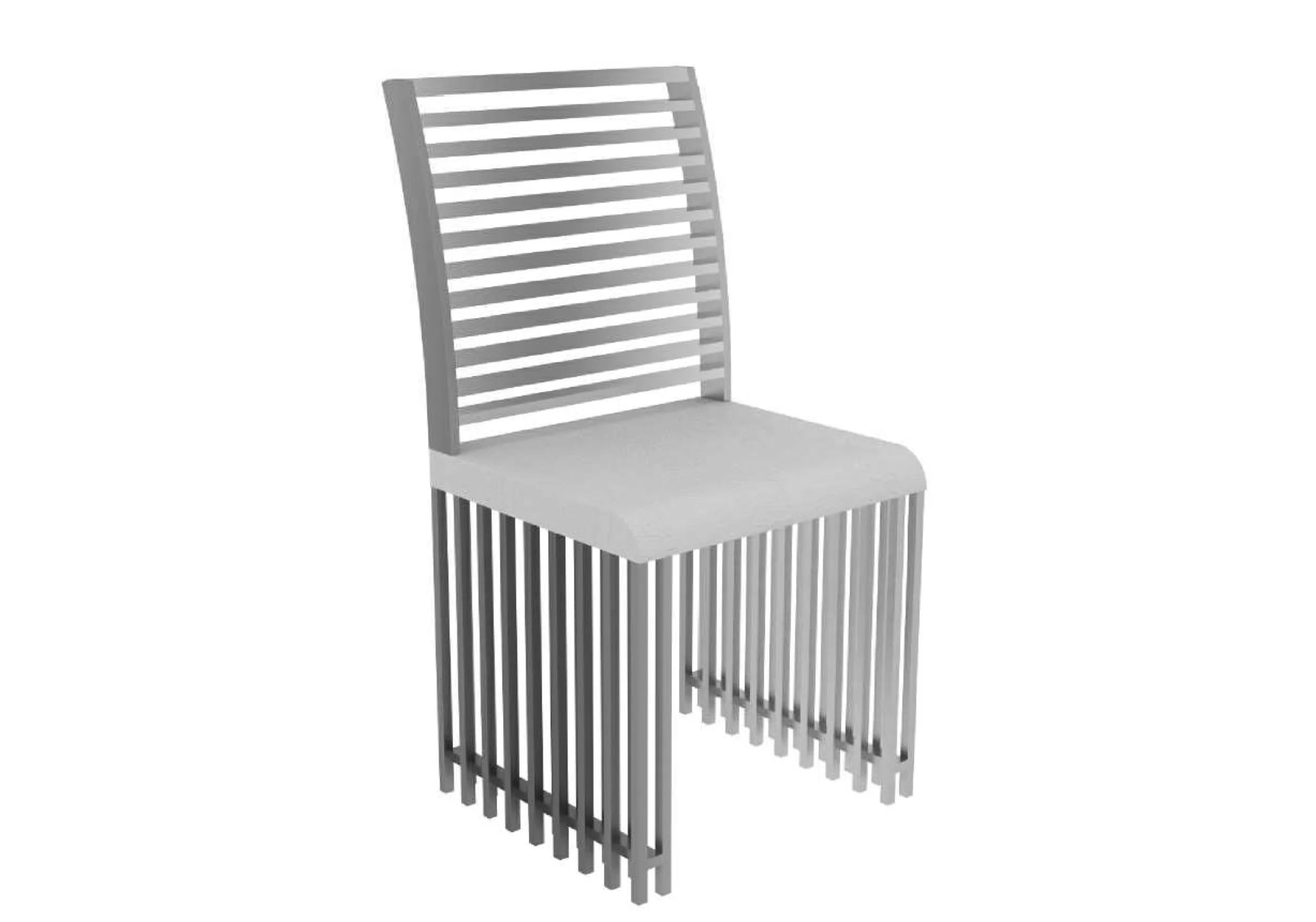
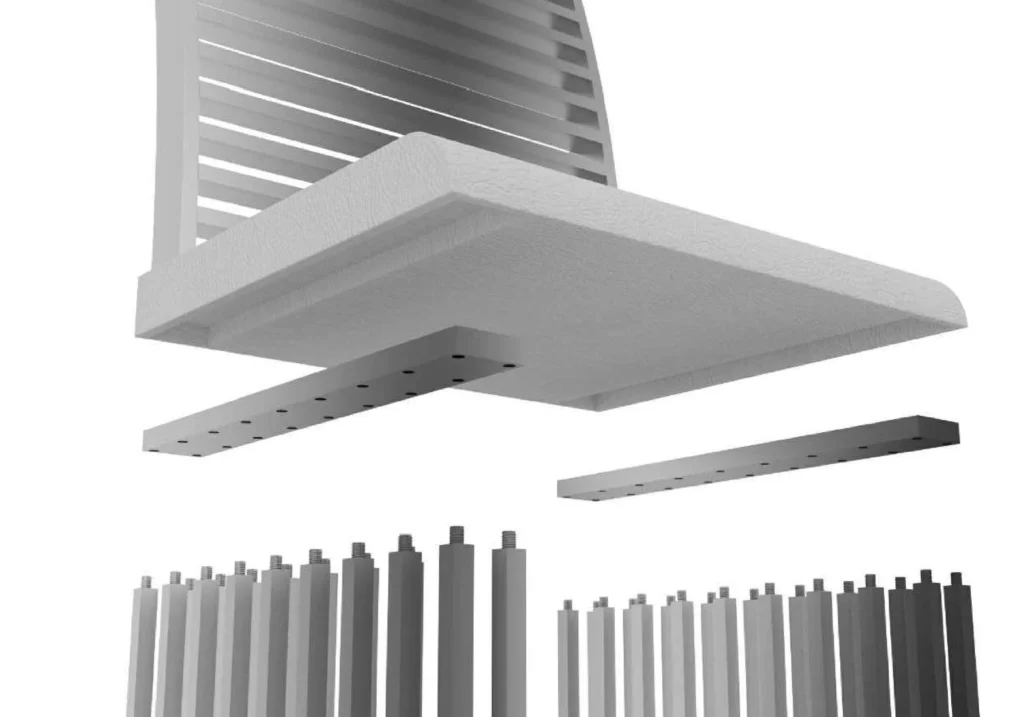
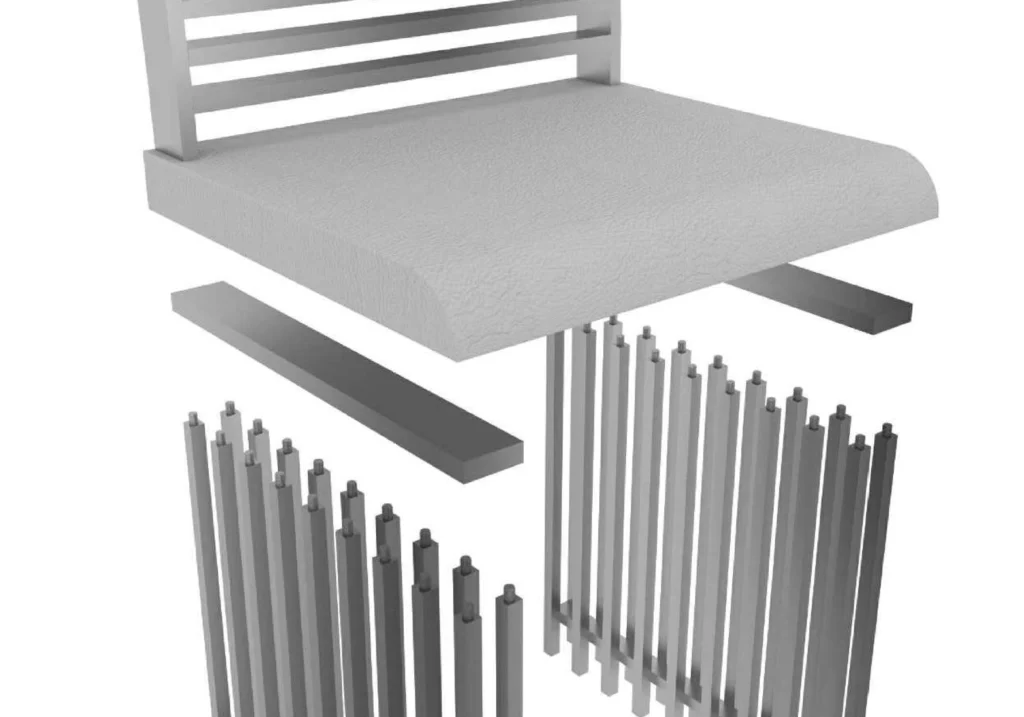
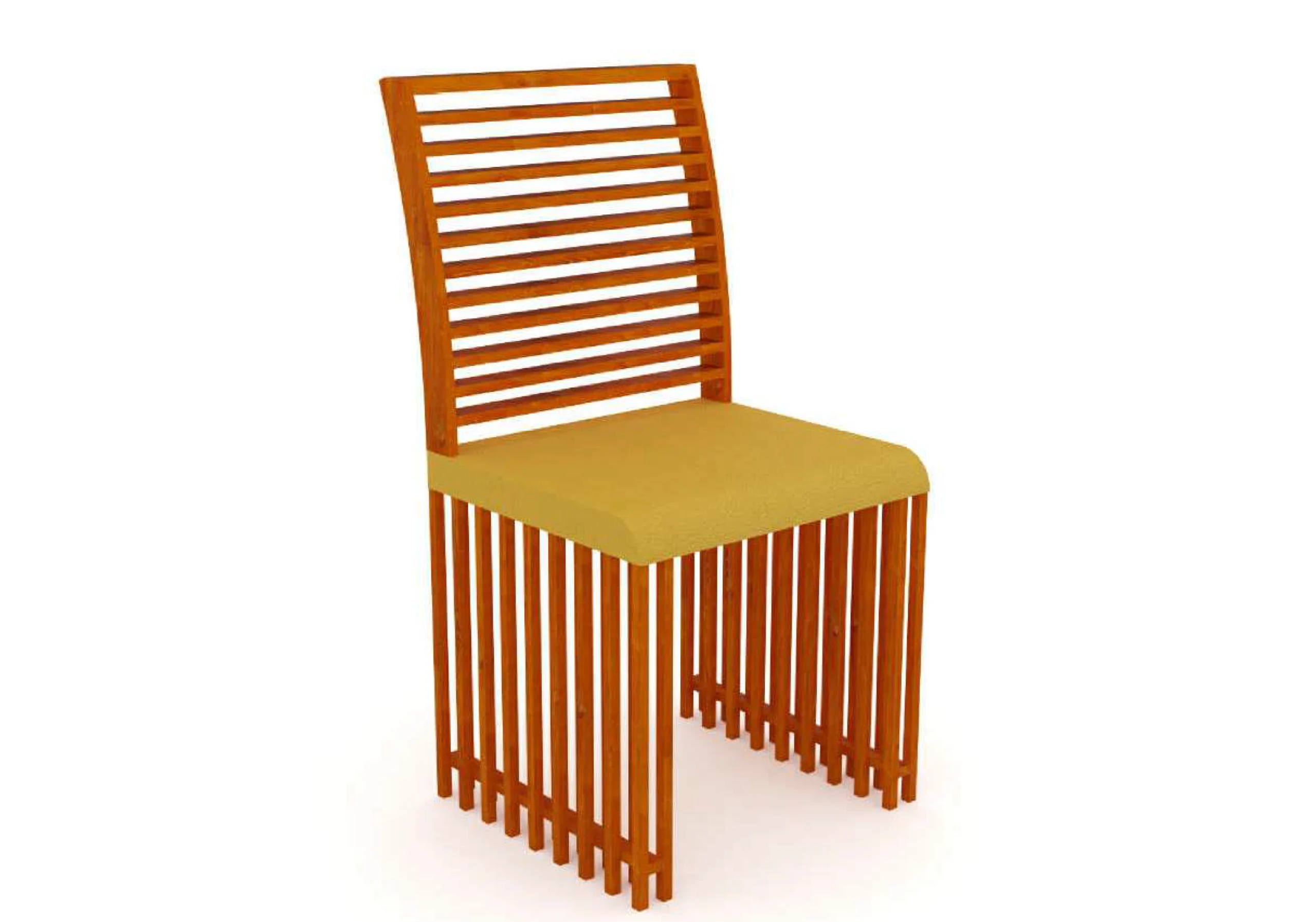
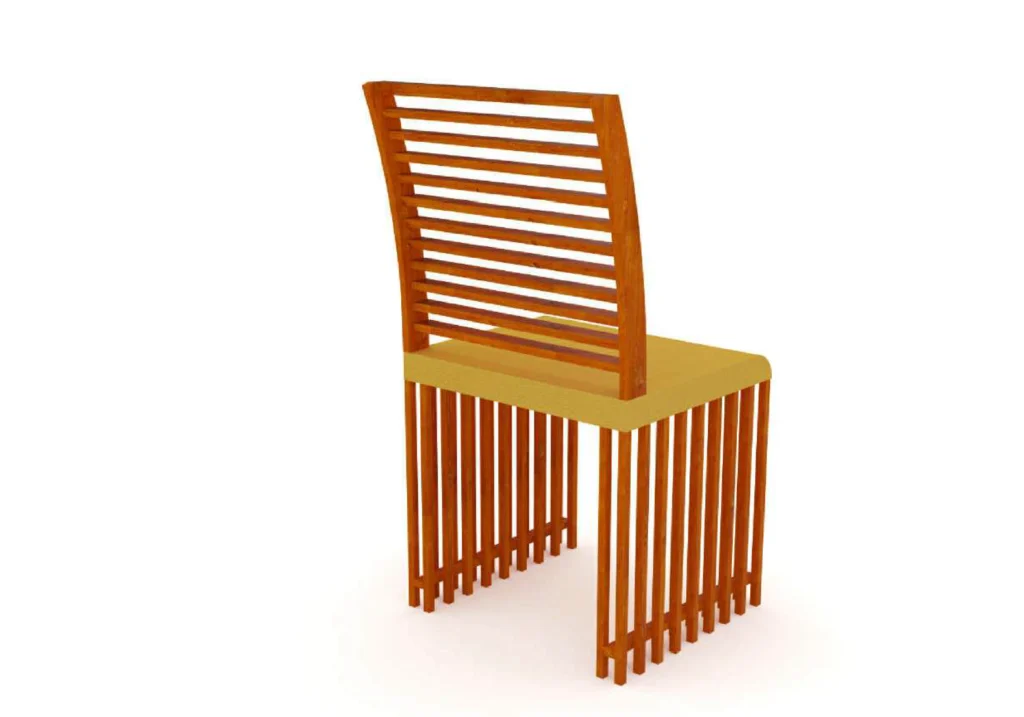
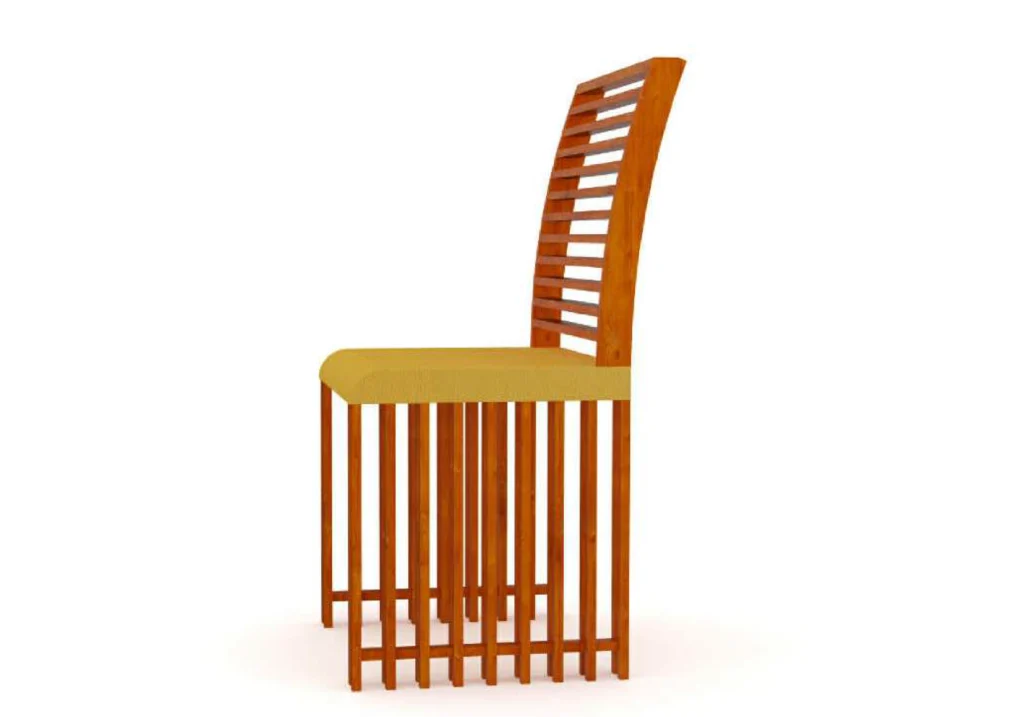
The refusal of industrial homology and mass production was not enough to make a people’s revolution. From that moment on, objects of use have been the center of home design in order to return as soon as possible to the idea of a welcoming and family family. Every corner of the house will speak of the one who lives in it. Whether rich or poor, but always under the sign of modernity. From this concept of living space the poetry of most designers is born, developing in often diametrically opposite declinations. From the craftsmanship of the Morris school to the exaltation of steel at the Bauhaus of the Silver Prince, to the happy union of progress and tradition of Loos, up to the triumph of plastic materials in the post-war period. The explosion of imagination of the Arts & Crafts movement, supported later by the push of Art Nouveau, marked a fundamental moment of transition in the history of interior design. House, total work of art of the architect/artist, fulcrum of the family in the industrial era, opposed to the dirty and unhealthy life of the factory, flourishes with furnishing accessories that are ever more particular, ever more special. Bourgeois society, the new ruling class, has its own author’s pieces built while Morris and his people would have wanted to be a movement for the masses, in the most Marxian concept of the term. They had not considered that an original piece, handcrafted from an original artist’s design, would never be exactly cheap. Starting from the concept as an object of use by Morris and passing through the idea that had produced it at the Bauhaus, the chair was and still is the best business card for architects who have tried themselves in designing pieces of furniture. In practice, to be recognized as an authority, you had to have your own chair (or armchair). And if it beared your name, that was even better. The chair had become a status symbol, a clear manifestation of social power. An essential element in a home, the most famous designers have always made this simple piece of furniture an object of artistic value, capable of enhancing the aesthetics of spaces. Timeless designer chairs, icons and sources of infinite reproductions are still found in modern furnishings today. Designing a chair has always been considered the most arduous and interesting challenge for a designer. In fact, the chair is the object that best represents our Western civilization. The chair is actually a system, in fact the name is usually used in the plural: “the chairs”, and this immediately shows the importance of optimized design and execution for a good that will be purchased not individually, but in several examples: the chairs are counted in groups of 4-6-8-12 (and furthermore, they often must be “arranged” around a table). Furthermore, the complexity of the chair design lies in the functions it must perform: it is intended to support the body of an individual who could weigh up to 120 kg. And that in any case “it never stays still”, indeed it stretches, leans down, raises, rocks. The structure of the chair is therefore subjected to incredible stresses, which the “non-designer” really hard to imagine. Furthermore, the chair is a complex type which is enriched by numerous sub-types: stackable chairs, folding chairs, padded chairs, chairs with armrests, not to mention office chairs. The chair is therefore a “summary” object, a perfect story-teller: between the traditional wooden chair, which we still find in inns today outside the door, and the futuristic carbon fiber models the entire history of humanity flows by. That’s why, if we had to choose a single object through which to tell that story, without a doubt it would be the story. Face with the variety of products offered by the market, choosing a chair is definitely not simple. The first thing that needs to be taken into consideration is certainly the exact purpose of our chair. A study chair will not be suitable for use in the kitchen, just as a chair designed for the living room will not be suitable for a table or for a terrace. Depending on the type of use, the chair must comply with a series of requirements. Particular attention must be paid to the materials, which must be practical, functional, hygienic, and easy to clean. For those with little space and many friends, stackable or folding chairs are certainly excellent.